UNDER CONSTRUCTION
MIGRALIGHT · Ongoing project
TEXT.

The project
MIGRALIGHT investigates how human-induced environmental change affects long-distance animal migration and the evolutionary consequences of migratory change. The project was launched with support from the Swiss Ornithological Institute and a Global Marie Skłodowska-Curie Action, and continues through an international network of researchers and conservation organisations.
1
TEXT
2
TEXT
3
TEXT
Why scops owls?
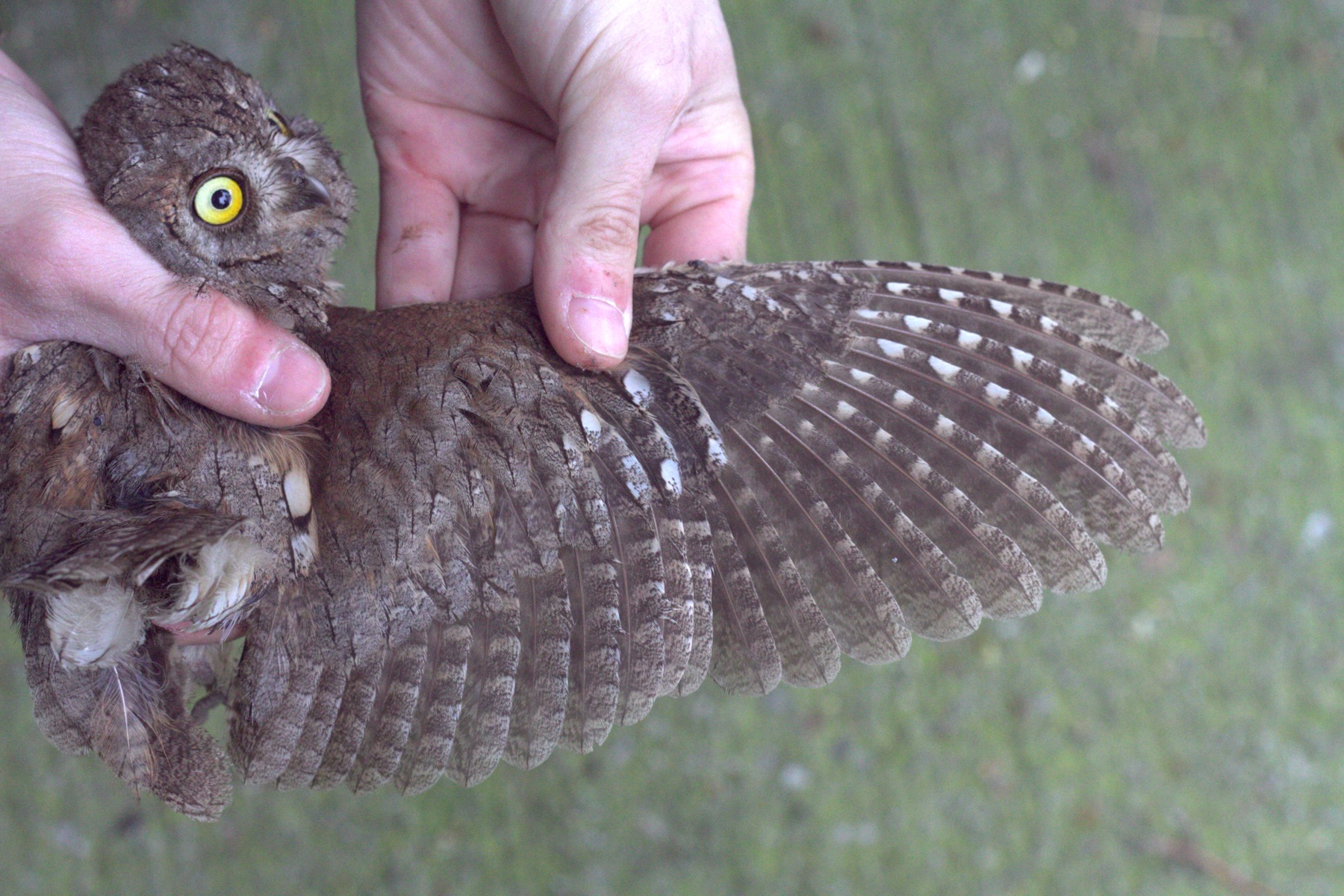
The Eurasian scops owl is one of Europe’s smallest owls and its only long-distance migratory owl. It breeds around the Mediterranean and winters in sub-Saharan Africa. Its use of urban habitats and nest boxes makes it an exceptional study system for investigating how migratory behaviour changes in human-altered environments.
Network and support
The project brings together scientific and public organisations across Europe. Partner details and the full collaboration map will be expanded as project information is consolidated.